

The Economic Benefits of Reforestation: Jobs, Timber, and Eco-Tourism

Reforestation is often hailed as a key strategy in the fight against climate change, but its benefits extend far beyond environmental impact. By restoring degraded forests, we can unlock a wide array of economic opportunities, driving job creation, sustainable timber production, and eco-tourism.
Understanding Reforestation
What is Reforestation?
Reforestation is the process of replanting trees in areas where forests have been depleted or destroyed. This can occur naturally or through human efforts. Reforestation differs from afforestation, which involves creating new forests in previously non-forested areas.
The Importance of Forests
Forests cover approximately 31 percent of the Earth's land area and provide numerous ecological services, such as carbon sequestration, habitat for wildlife, and water regulation. Additionally, forests contribute to local and global economies through resource extraction, recreation, and tourism.
The Economic Benefits of Reforestation

1. Job Creation
One of the most significant economic benefits of reforestation is job creation. The restoration and management of forests require a diverse workforce, encompassing various roles and skill levels. Key areas of employment include:
a. Forestry and Silviculture
Forestry professionals, including foresters, technicians, and laborers, are essential for planning and implementing reforestation projects. These jobs may involve:
- Selecting appropriate tree species based on ecological and climatic conditions.
- Preparing sites for planting, including clearing and soil preparation.
- Planting and caring for young trees.
b. Environmental Monitoring and Research
As reforestation initiatives progress, monitoring and evaluation are necessary to assess their effectiveness. Environmental scientists and researchers play a crucial role in studying ecosystem recovery, biodiversity, and carbon sequestration rates. Jobs in this field may include:
- Conducting ecological surveys and research.
- Analyzing data to evaluate restoration effectiveness.
- Developing adaptive management strategies.
c. Eco-Tourism and Recreation
Reforestation can enhance local eco-tourism opportunities, leading to job creation in areas such as:
- Nature guiding and educational tours.
- Recreational activities, such as hiking, birdwatching, and camping.
- Hospitality and local businesses catering to eco-tourists.
2. Sustainable Timber Production
Reforestation can provide a sustainable source of timber, which is vital for various industries and local economies. By practicing sustainable forestry, communities can benefit in several ways:
a. Economic Growth
Sustainable timber harvesting allows for a steady supply of wood products while minimizing environmental impacts. This can lead to economic growth in rural areas by providing jobs and generating income through:
- Log production and sales.
- Processing facilities for lumber, paper, and other wood products.
- Export opportunities for sustainably sourced timber.
b. Diversification of Income
Forests can provide multiple sources of income through agroforestry practices. This involves integrating tree planting with agricultural activities, allowing farmers to diversify their income streams. For example:
- Growing fruit trees alongside cash crops.
- Utilizing shade-grown crops, such as coffee, within forest systems.
3. Eco-Tourism Development
Reforested areas can become attractive destinations for eco-tourism, which focuses on responsible travel to natural areas. Eco-tourism can generate significant economic benefits:
a. Increased Visitor Revenue
By promoting reforested regions as eco-tourism destinations, communities can attract visitors and generate revenue through:
- Entry fees to parks and protected areas.
- Sales from guided tours, equipment rentals, and accommodations.
- Local handicrafts and souvenirs.
b. Community Empowerment
Eco-tourism fosters community involvement and empowerment by enabling local residents to participate in conservation and tourism initiatives. This can result in:
- Strengthened community ties and collaboration.
- Empowerment of marginalized groups, including women and indigenous peoples, through economic opportunities.
Case Studies of Economic Benefits from Reforestation
Case Study 1: The Bonn Challenge
Launched in 2011, the Bonn Challenge aims to restore 150 million hectares of deforested and degraded land by 2020, with the goal of increasing this to 350 million hectares by 2030. Participating countries are realizing significant economic benefits:
- Job creation in the forestry sector.
- Increased carbon credits for sustainable practices.
- Enhanced eco-tourism in regions benefiting from restoration.
Case Study 2: The Great Green Wall Initiative
In Africa, the Great Green Wall Initiative seeks to combat desertification and restore 100 million hectares of land across the Sahel region. The project generates multiple economic benefits:
- Creating sustainable jobs in reforestation and restoration activities.
- Providing resources for local communities, including food, fuel, and materials.
- Enhancing eco-tourism opportunities in restored areas.
Case Study 3: Costa Rica’s Payments for Ecosystem Services Program
Costa Rica has implemented a progressive Payments for Ecosystem Services (PES) program that compensates landowners for reforestation and conservation activities. The economic impact is significant:
- Increased forest cover and biodiversity.
- Creation of sustainable jobs linked to forestry and eco-tourism.
- Enhanced ecosystem services, supporting agriculture, water management, and carbon sequestration.
Challenges Facing Reforestation Efforts

While the economic benefits of reforestation are substantial, challenges persist:
1. Funding and Investment
Securing adequate funding for reforestation projects can be challenging. Many initiatives rely on international aid, grants, or private investment, which can be inconsistent or limited.
2. Land Use Conflicts
Competing land uses, such as agriculture or urban development, can pose significant challenges for reforestation efforts. Effective land-use planning and stakeholder engagement are essential for overcoming these conflicts.
3. Long-Term Commitment
Reforestation is not a quick fix; it requires long-term commitment and management. Communities and stakeholders must be engaged throughout the process to ensure the sustainability of efforts.
Strategies for Successful Reforestation
To maximize the economic benefits of reforestation, implementing effective strategies is essential:
1. Community Involvement
Engaging local communities is crucial for the success of reforestation initiatives. This can include:
- Training programs to build capacity and skills.
- Participation in decision-making and project planning.
- Sharing in the benefits derived from reforested areas.
2. Integrating Sustainable Practices
Incorporating sustainable forestry and agricultural practices can enhance both economic and environmental outcomes. This may involve:
- Promoting agroforestry techniques that integrate trees into agricultural landscapes.
- Encouraging sustainable harvesting methods to maintain forest health.
3. Diversifying Funding Sources
Exploring multiple funding sources can enhance the financial viability of reforestation projects. This can include:
- Public-private partnerships to leverage private investment.
- Tapping into carbon markets for emissions trading or carbon credits.
4. Enhancing Eco-Tourism Opportunities
Developing infrastructure and services for eco-tourism can provide additional economic benefits. Strategies may include:
- Creating awareness campaigns to promote eco-tourism destinations.
- Offering training for local guides and entrepreneurs in hospitality and service.
The Future of Reforestation and Economic Viability
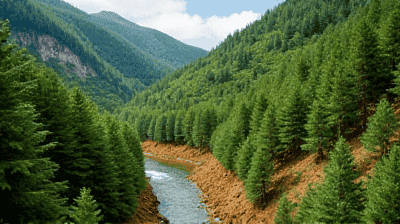
As the impacts of climate change continue to escalate, the urgency for reforestation initiatives grows. The potential to generate economic benefits while addressing climate issues provides a compelling case for investment in restoration efforts.
1. Leveraging Technology
Advancements in technology can enhance reforestation outcomes. Innovative approaches may include:
- Using drones for seed dispersal in remote areas.
- Employing remote sensing to monitor and analyze forest health.
2. Policy Support
Supportive policies at local, national, and international levels will be essential for promoting reforestation. This can involve:
- Implementing incentives for sustainable land use and forestry practices.
- Strengthening regulations that protect forested areas.
3. Ongoing Research and Development
Investing in research to develop best practices for reforestation can improve project effectiveness. Continuous learning and adapting to new knowledge will ensure successful outcomes.
Conclusion
The economic benefits of reforestation are substantial, offering a pathway to job creation, sustainable timber production, and vibrant eco-tourism. By recognizing the multifaceted advantages of restoring forests, communities can enhance their resilience to climate change while promoting economic growth.
Reforestation is not just about planting trees; it is about fostering sustainable economies, protecting biodiversity, and building a better future for generations to come. By investing in reforestation efforts, we can contribute to a healthier planet and a thriving economy, creating a harmonious balance between environmental stewardship and economic development.